Next auction starts Friday, 06 November. Sell with us in our next auction.
rgba(0,0,35,1)
rgba(255,255,255,1)

60,000+ lots sold worldwide

Offices in Scotland, London & Netherlands

Wine lovers in 65+ countries
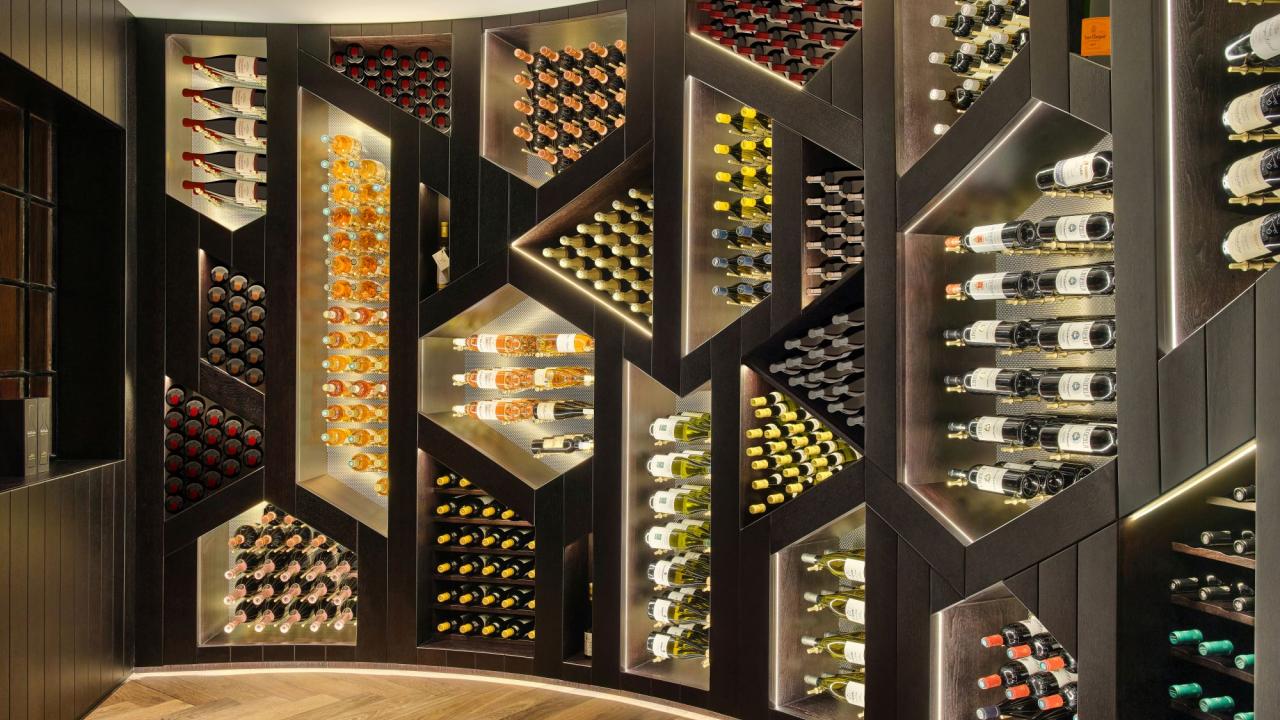
The function of a modern wine room or cellar extends beyond simply storing and protecting wine; it is also about creating a space that showcases and celebrates the owners collection. When creating such spaces, the challenge lies in balancing functionality with aesthetics, ensuring the space preserves wine in optimal conditions while enhancing the overall home.
The fundamental requirements of a professional-grade home wine cellar are simple but non-negotiable: a consistent temperature, stable humidity, minimal light exposure, horizontal laydown provision in a dust and vibration-free environment. In older properties, these conditions occurred naturally in underground cellars. In modern homes where basements are the exception rather than the norm, they must be engineered.
So, what key factors should be considered when designing a wine cellar?
Make the most of available space
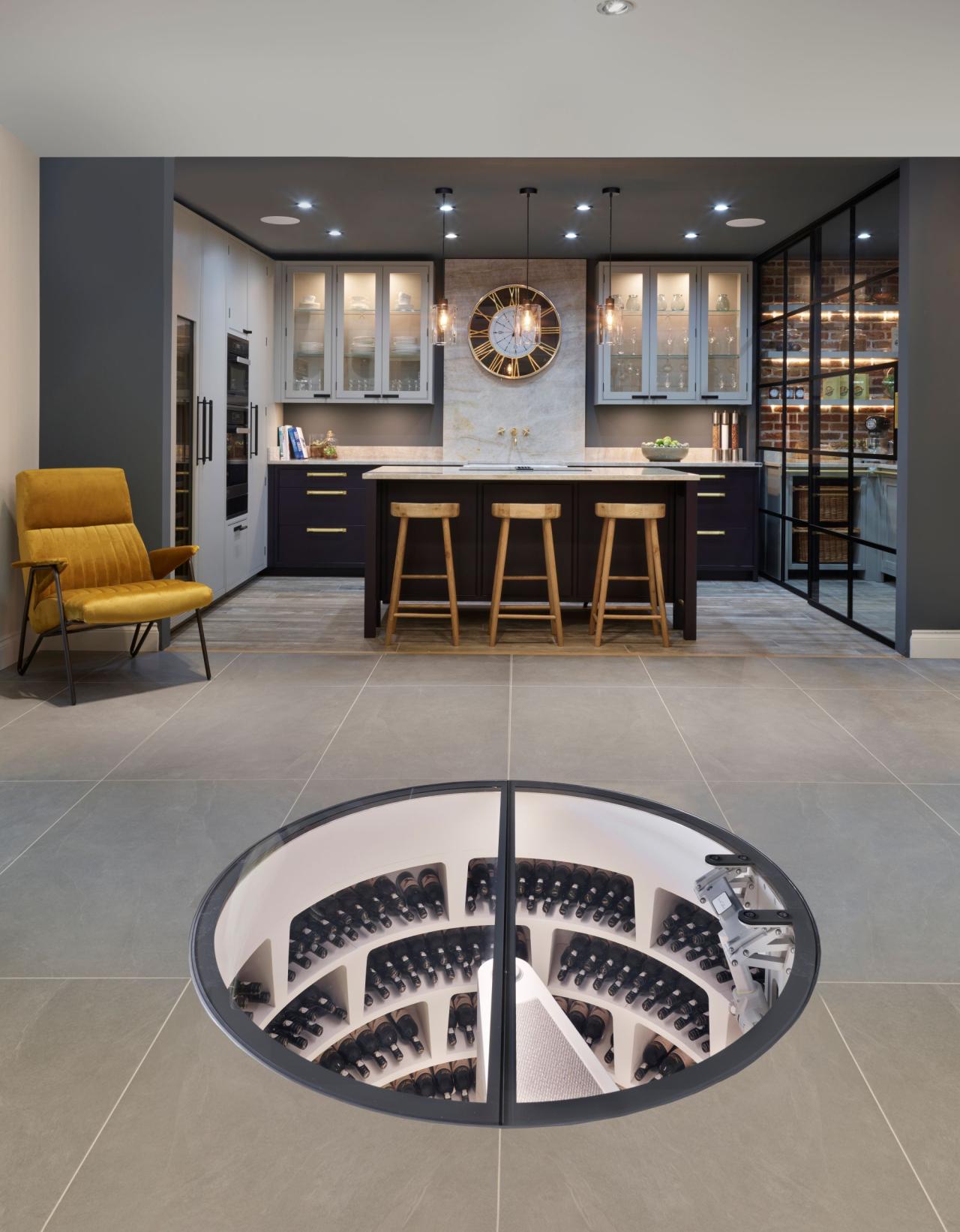
Photo credit: Spiral Cellars
Not every home has the luxury of being able to dedicate an entire room to wine storage, but that doesn’t mean a cellar isn’t possible. A key part of the design process is assessing how much space is available, and how creatively it can be used.
Wine storage can be integrated into a variety of unexpected locations: under-stair voids, alcoves, garages, or even unused bathrooms. With thoughtful design, these areas can be transformed into highly functional and visually striking wine spaces.
For properties with limited space, innovative solutions such as the below-ground Spiral Cellar can create an entirely new storage area without sacrificing existing living space. This eye-catching option can accommodate 1,600 bottles while maintaining a minimal footprint within the home. It can also be installed in less than 2 weeks – significantly faster than designing and fitting a traditional wine room.
Climate control provision should never be an after-thought
Unfortunately, climate control provision is not the most exciting aspect of wine room design and is often overlooked. Yet its correct specification and design integration is just as important as decisions regarding finishes, lighting, and layout. Wine cooling is a complex science with no one-size-fits-all solution, and it is easy to get wrong. Over-specifying can lead to unnecessary expense, while under-specifying can compromise the entire collection. If your space requires climate control, and most wine cellars do, it is strongly advisable to involve wine-cooling professionals.
Think long-term
A wine cellar is an investment so, it’s important to consider future as well as immediate needs. How might your collection evolve? Will your tastes change? Are you likely to buy different volumes or formats? Designing with flexibility in mind ensures that the space remains functional and relevant for years to come.
Clients should also consider whether they want to store full cases, which require deeper shelving, or display individual bottles for visual impact. Additionally, some collectors wish to include spirits in their wine space. This may require vertical storage or specific shelving solutions that differ from traditional horizontal wine racking.
Understanding the nature of the collection allows designers to create the right mix of storage elements - shelving, peg systems, drawers, or racking.
Consider how the space will be used
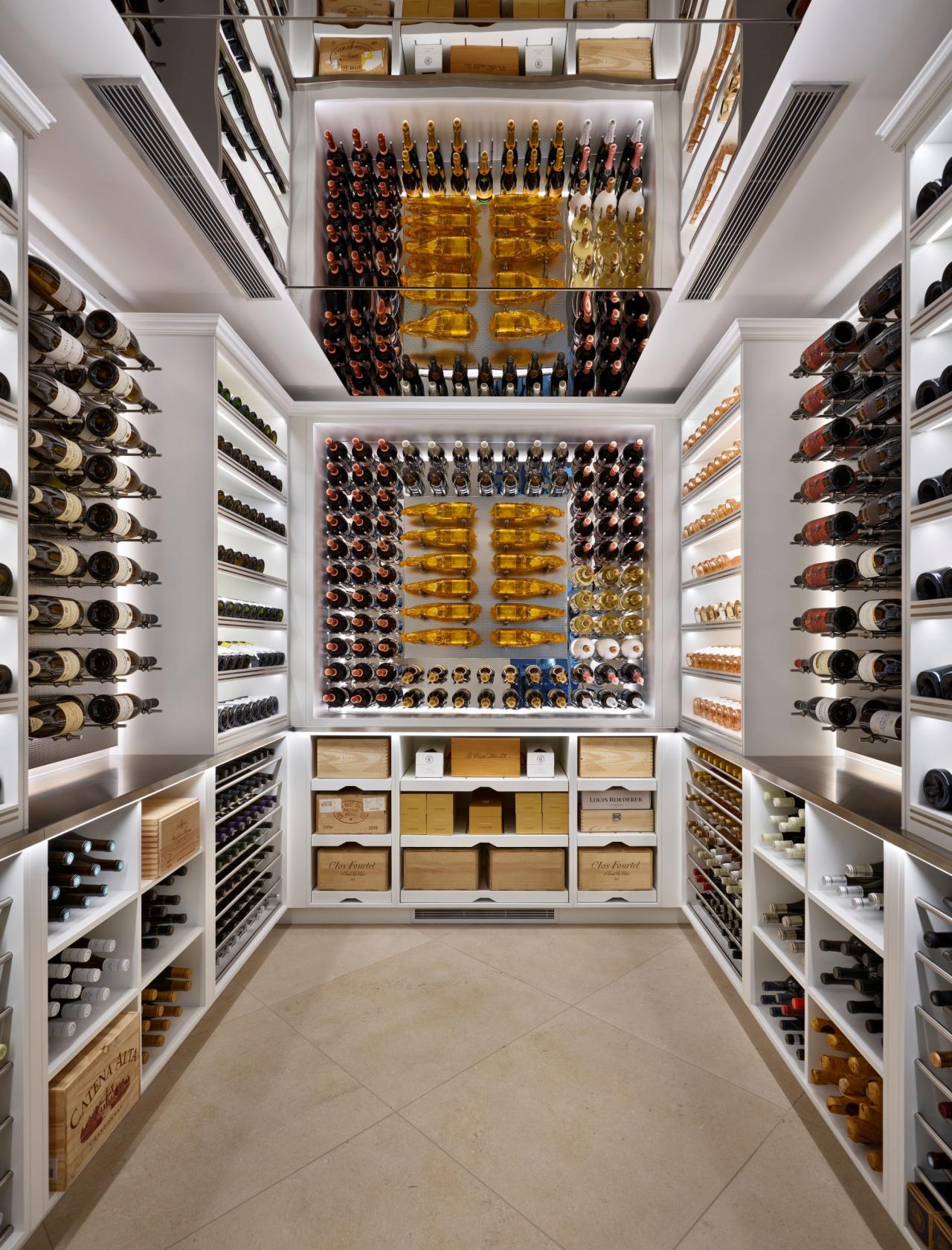
Photo credit: Spiral Cellars
How do you intend to use the wine room? If the space is purely for storage, the design can focus entirely on efficiency and capacity. However, many clients now want their wine cellar to double as a tasting or entertaining area, which introduces additional considerations.
Will you need a pouring table or bar area? Should there be a sink or integrated refrigeration for serving wines at the correct temperature? Is there a requirement for glassware storage?
It’s also important to remember that wine storage environments are intentionally cool. If people are expected to spend time in the space, the design must strike a balance between preservation conditions and comfort.
Balancing aesthetics with functionality
The aesthetic possibilities in wine cellar designs are vast. Some prefer sleek, contemporary designs featuring glass, steel, and dramatic lighting. Others lean toward more traditional styles, using natural materials like oak to evoke the feel of a classic cellar and many opt for something in between.
Whatever your personal style, the key is to ensure that the design aligns with the overall interior of the home. A wine cellar should feel integrated, not like an afterthought. At the same time, aesthetics should never compromise performance. Materials, lighting, and layout must all support the core goal of preserving the wine.
Whatever your wine storage plans, specialist wine cellar designers, such as Spiral Cellars, can translate your vision into reality. With over 40 years of experience, and having installed over 5,000 wine rooms in the UK, as well as many others around the world, they are the preferred cellaring provider among interior designers, celebrities and wine professionals alike.
Contact details for Spiral Cellars:
spiralcellars.com - info@spiralcellars.com - 020 3815 3329
Discover and bid on unique, highly limited and renowned wines in our online auctions each month.
Our global wine auctions give your bottles the attention they deserve. Get started with a free valuation today.